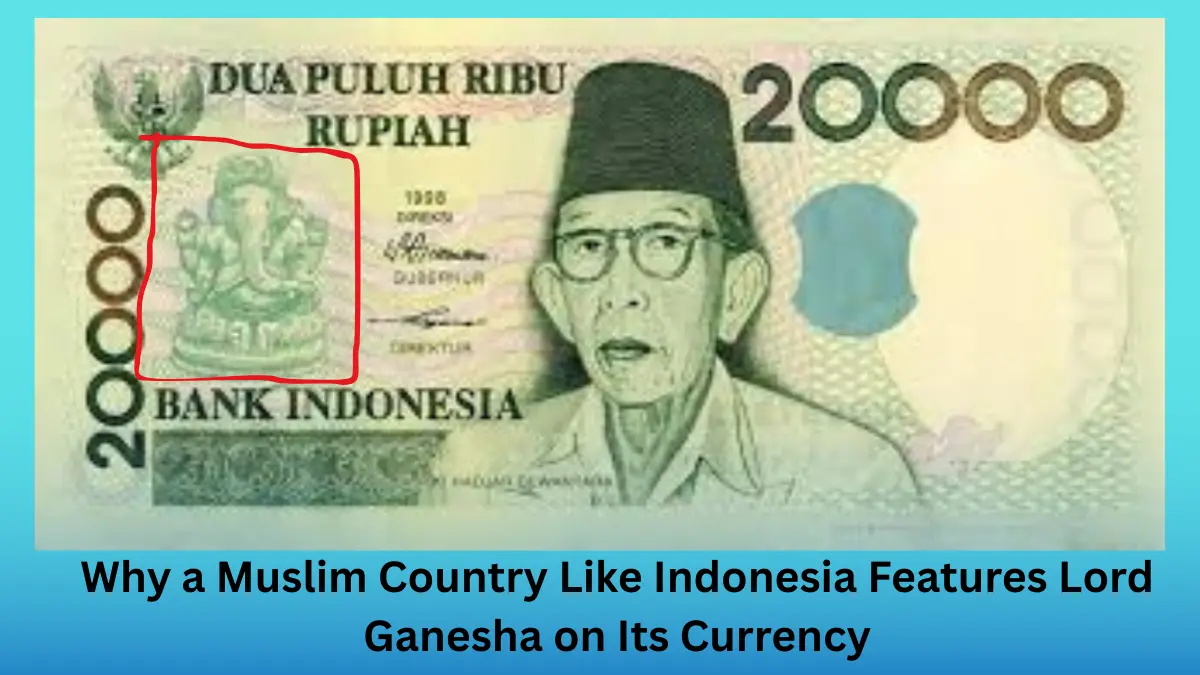
لماذا تقوم أكبر دولة ذات أغلبية مسلمة في العالم بطباعة إله هندوسي على عملتها؟ إنه السؤال الذي غالباً ما يفاجئ زوار إندونيسيا عندما يصادفون العملة الورقية من فئة 20,000 روبية من سلسلة 1998، والتي تحمل صورة بارزة للرب غانيشا. وعلى الرغم من أن إندونيسيا هي موطن لأكثر من 230 مليون مسلم، إلا أن عملتها تحكي قصة أعمق لحضارة تحتضن جذورها القديمة بدلاً من محوها.
لا تمثل هذه الورقة النقدية الفريدة من نوعها تناقضاً دينياً بل شهادة على هوية إندونيسيا المعقدة. فهي تعكس أمة ينسج فيها التاريخ والتعليم والتراث الثقافي معًا، متجاوزًا الحدود الدينية الحديثة.
ما الذي يظهر على ورقة الـ 20,000 روبية؟
عدد عام 1998 من 20,000 تحمل ورقة الروبية شخصيتين هامتين. على الوجه الآخر، توجد صورة كي هادجار ديوانتارا، وهو بطل قومي ورائد التعليم الإندونيسي. وبجانبه يجلس تمثال للورد غانيشا، إله الحكمة والبدايات الجديدة وإزالة العقبات عند الهندوس.
وصورة غانيشا التي تم تصويرها ليست رسماً دينياً حديثاً بل هي تمثيل لمنحوتة جاوية كلاسيكية. ومن خلال وضع هذا الإله جنباً إلى جنب مع شخصية تعليمية وطنية، يربط التصميم بشكل واضح بين رمزية غانيشا للمعرفة والفكر وبين الأهداف التعليمية الحديثة للبلاد. وهذا يتماشى مع تقليد إندونيسيا الأوسع نطاقاً في إبراز التراث الثقافي على عملتها، مثل معبد بوروبودور أو الراقصات التقليديات، مما يجعلها كنوزاً وطنية بدلاً من الرموز الدينية البحتة.
إندونيسيا قبل الإسلام: حضارة هندوسية بوذية
لفهم وجود غانيشا، يجب على المرء أن ينظر إلى تاريخ الأرخبيل قبل الإسلام. فقبل فترة طويلة من انتشار الإسلام في المنطقة بين القرنين الثالث عشر والخامس عشر، كانت إندونيسيا مقرًا لممالك هندوسية وبوذية قوية.
هيمنت إمبراطوريات مثل سريفيجايا (البوذية) وماجاباهيت (الهندوسية) على جنوب شرق آسيا، تاركة وراءها إرثاً ثقافياً عميقاً. تنتشر في الجزر العديد من المعالم المعمارية الضخمة من تلك الحقبة، وأبرزها مجمع معبد بوروبودور (أكبر معبد بوذي في العالم) ومجمعات معبد برامبانان (موقع هندوسي ضخم). هذه الآثار ليست مجرد أطلال؛ فهي مواقع تراث وطني محمية تحدد الهوية التاريخية لإندونيسيا.
ولم يؤد وصول الإسلام إلى محو كامل لهذا الماضي. وبدلاً من ذلك، فإن الدين الجديد قد تداخل مع الثقافة القائمة، وحافظ على العديد من جوانب الحضارة الهندوسية البوذية كجزء من الشخصية الإندونيسية.
من هو غانيشا في التاريخ الإندونيسي؟
في سياق التاريخ الإندونيسي، يتجاوز غانيشا دوره كإله للعبادة. ففي جاوة القديمة، كان يحظى بالتبجيل على نطاق واسع باعتباره راعي الفنون والعلوم. وتاريخيًا، كانت تماثيل غانيشا توجد في أماكن التعلم والمحاكم ومداخل الأماكن المقدسة، وترمز إلى السعي وراء الحكمة وحماية المعرفة.
واليوم، يُشار إلى غانيشا - غالبًا ما يشار إليه باسم غانيسا في إندونيسيا - معروف على نطاق واسع كرمز للتعليم. وكثيراً ما ترتبط صورته بمعهد باندونغ للتكنولوجيا (ITB)، وهو أحد أعرق الجامعات في البلاد، حيث يُستخدم كشعار له. ويعزز ذلك فكرة أن غانيشا يُنظر إليه من منظور التراث الفكري والعلمي، وليس من منظور التعبد الديني فقط.
لماذا اختارت إندونيسيا غانيشا لعملتها؟
كان قرار إدراج صورة غانيشا على الورقة النقدية لعام 1998 متجذرًا في الرمزية وليس في اللاهوت. فخلال فترة الاضطرابات الاقتصادية في أواخر التسعينيات، تم إصدار الورقة النقدية بموضوع التعليم والتنمية.
من خلال إقران كي هادجار ديوانتارا، أبو التعليم الإندونيسي، مع غانيشا، أكدت الحكومة على قيمة الحكمة والتعلم. ويعد التمثال الذي تم تصويره على الورقة النقدية اعترافًا بالإتقان الفني للنحاتين الجاويين القدماء والإنجازات الفكرية التي تحققت في الماضي. وهو بمثابة تذكير بأن تقدم الأمة الحالي مبني على قرون من التاريخ الحضاري.
هل يتعارض هذا مع الإسلام؟
تعمل إندونيسيا في ظل الفلسفة الوطنية لـ بانكاسيلاالذي يفرض "الوحدة في التنوع" (بهينيكا تونغال إيكا). وفي حين أن الإسلام هو الدين السائد، فإن الدولة تعترف رسمياً بديانات متعددة، بما في ذلك الهندوسية والبوذية والبروتستانتية والكاثوليكية والكونفوشيوسية.
تسمح هذه الفلسفة بقبول واسع للرموز الثقافية. فبالنسبة لغالبية المسلمين الإندونيسيين، يُنظر إلى القطع الأثرية التاريخية مثل تمثال غانيشا على أنها جزء من ثقافة أسلافهم (عدات) والتاريخ الوطني. وهي تحظى بالاحترام كعلامات فنية وتاريخية تحدد الأرخبيل الإندونيسي (نوسانتارا)، متميزًا عن فعل العبادة الدينية (عبادة).
إندونيسيا ليست وحدها
إندونيسيا ليست فريدة من نوعها في الحفاظ على رموز من الديانات السابقة. فغالباً ما تحتفظ الحضارات في جميع أنحاء العالم برموز من ماضيها. فالهند، وهي دولة ذات أغلبية هندوسية، تحافظ على الهندسة المعمارية للإمبراطورية المغولية. وتحتفظ تركيا بالآثار الرومانية والبيزنطية المسيحية مثل آيا صوفيا. وكثيراً ما تستخدم الدول الأوروبية الآلهة الوثنية اليونانية والرومانية في المباني الحكومية والعملة والفن لترمز إلى العدالة أو الحرية.
وبنفس الطريقة، تكرم إندونيسيا عصرها الهندوسي البوذي باعتباره عصرًا ذهبيًا للحضارة التي تساهم في فخرها الوطني الحديث.
المعنى الحقيقي وراء ورقة الـ 20,000 روبية
تُعد ورقة ال 20,000 روبية بمثابة رمز للاستمرارية. فهي تعترف بأن هوية إندونيسيا ليست فردية بل تراكمية. يدل وجود غانيشا على أن المعرفة هي جسر بين القديم والحديث. وهي تعلن أن كون إندونيسيا دولة حديثة ذات أغلبية مسلمة لا يتطلب رفض الماضي الغني الذي يعود إلى ما قبل الإسلام.
وعلى الرغم من سحب هذه السلسلة المحددة من الأوراق النقدية من التداول من قبل بنك إندونيسيا في عام 2008، إلا أنها لا تزال مثالاً قوياً على كيفية تصور الدولة لتاريخها - حيث تحتفظ به على الورق ليراها الملايين.
$320 مليار دولار طفرة الذكاء الاصطناعي: كيف سيتحول الخليج بحلول عام 2030

مرحباً، أنا عرفات حسين! بخبرة 7 سنوات من الخبرة، أعمل على مراجعة أروع الأدوات، بدءًا من أحدث تقنيات الذكاء الاصطناعي إلى أحدث الهواتف المحمولة وأجهزة الكمبيوتر المحمولة. يتجلى شغفي بالتكنولوجيا الجديدة في مراجعاتي التفصيلية والصادقة على opaui.com، مما يساعدك على اختيار أفضل المعدات الموجودة هناك!








 Arabic
  English